Auctions
Artists
Catalog
Picture Framing
News
Contact
+48 606 613 435 0 PLNNEW GALLERY ADDRESS! ul. Bociania 28/29, 02-807 Warsaw, Poland
Hotline / Advisor: +48 606 613 435
Auctions
Artists
Catalog
Picture Framing
News
Contact
+48 606 613 435 0 PLN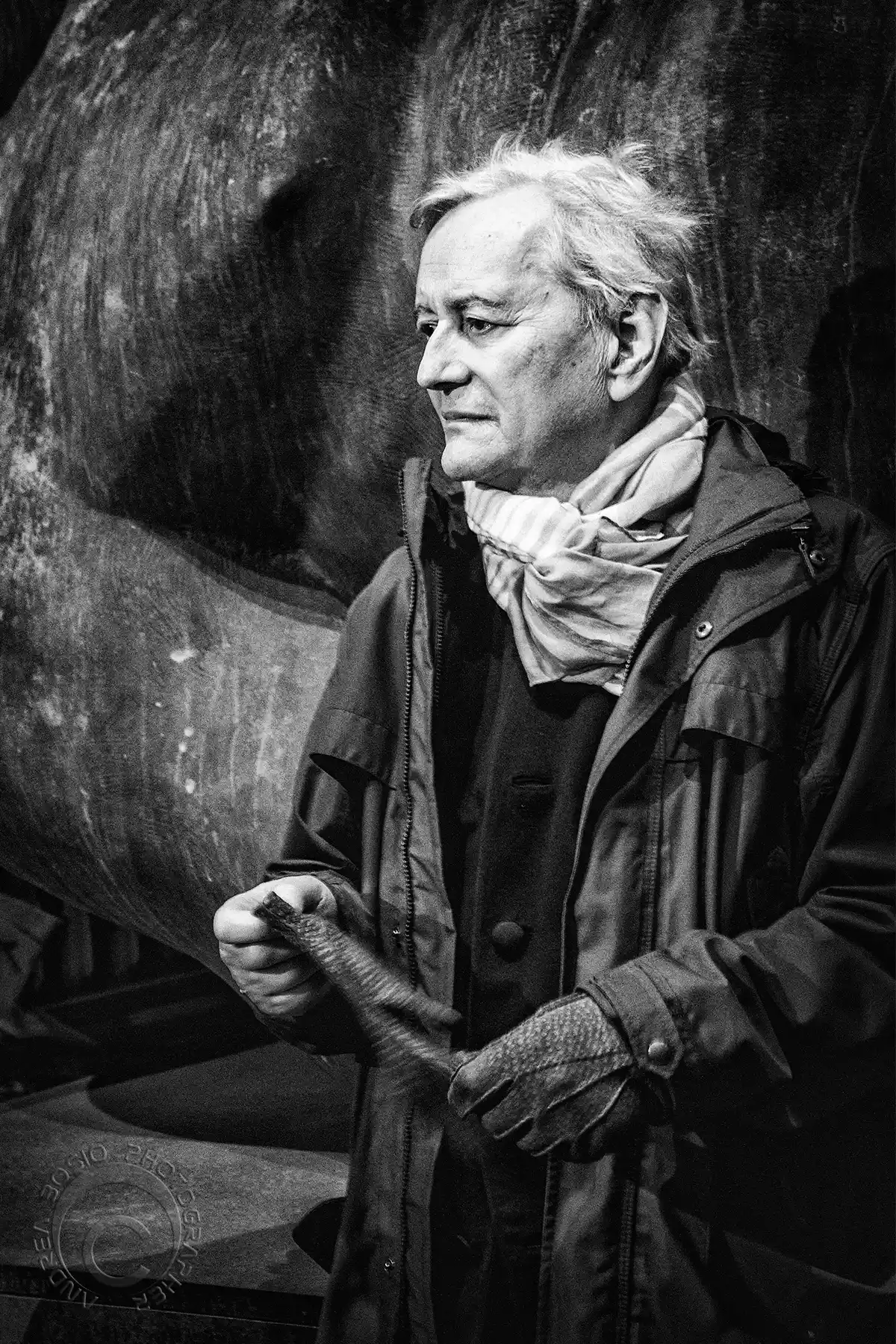
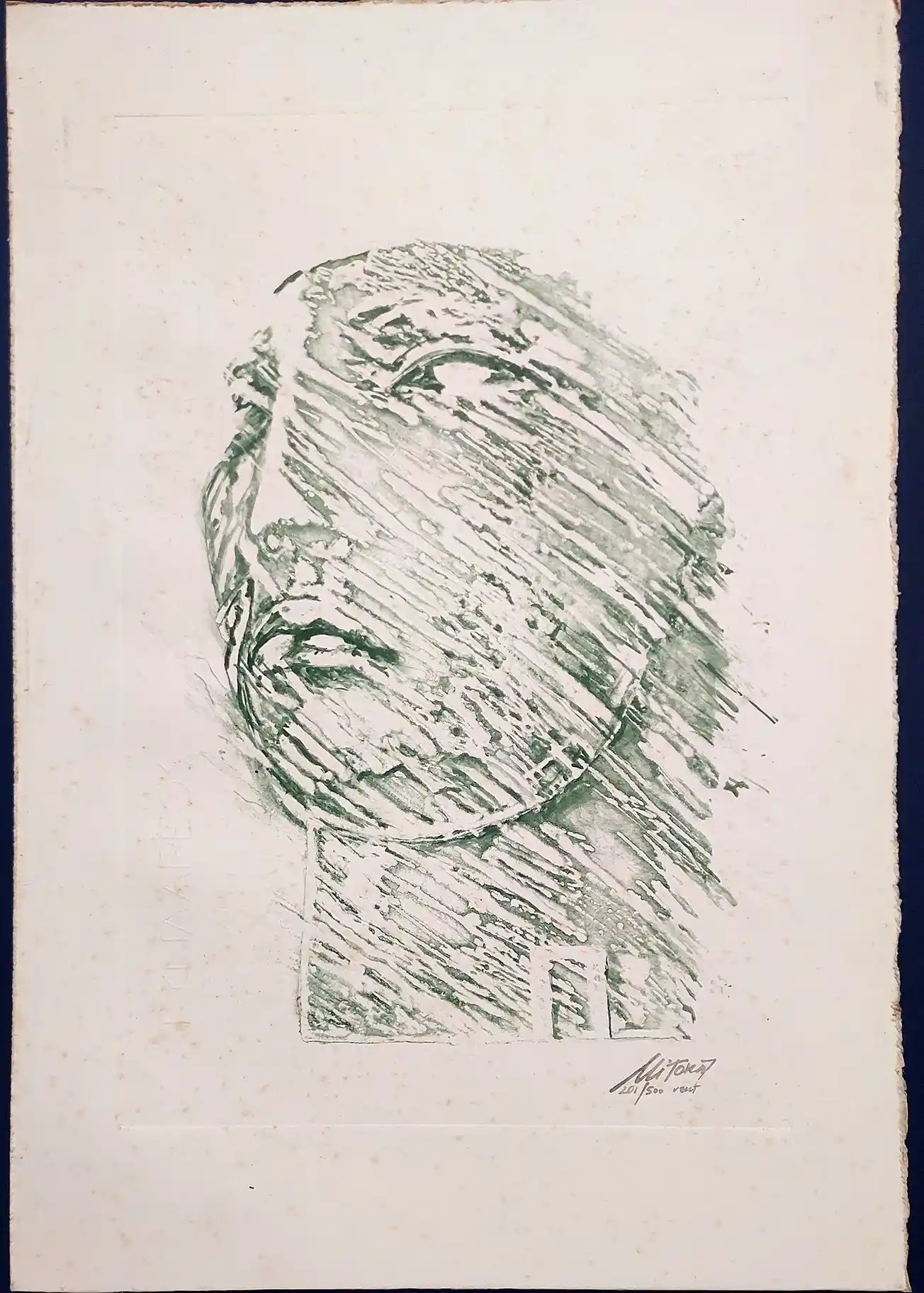
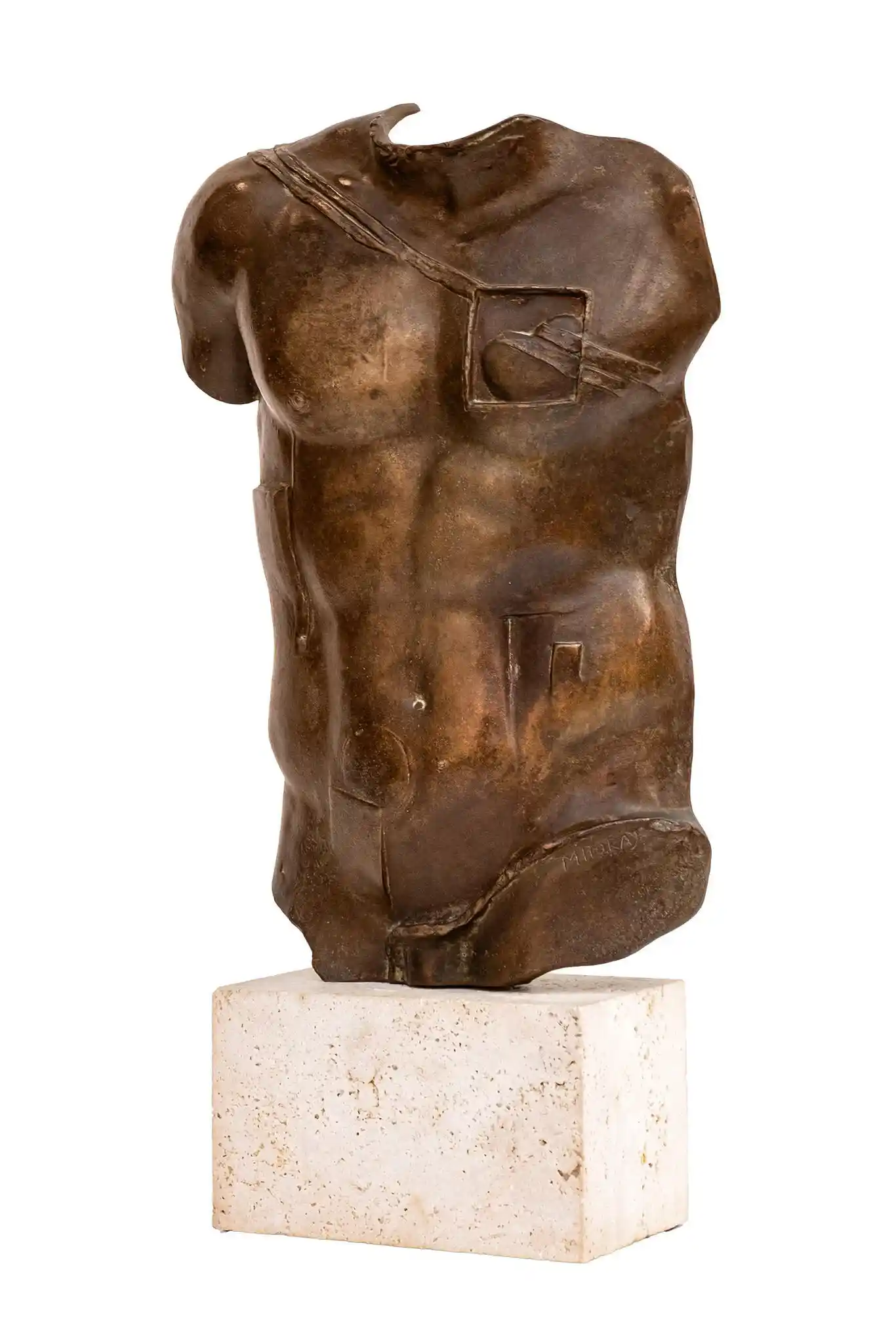
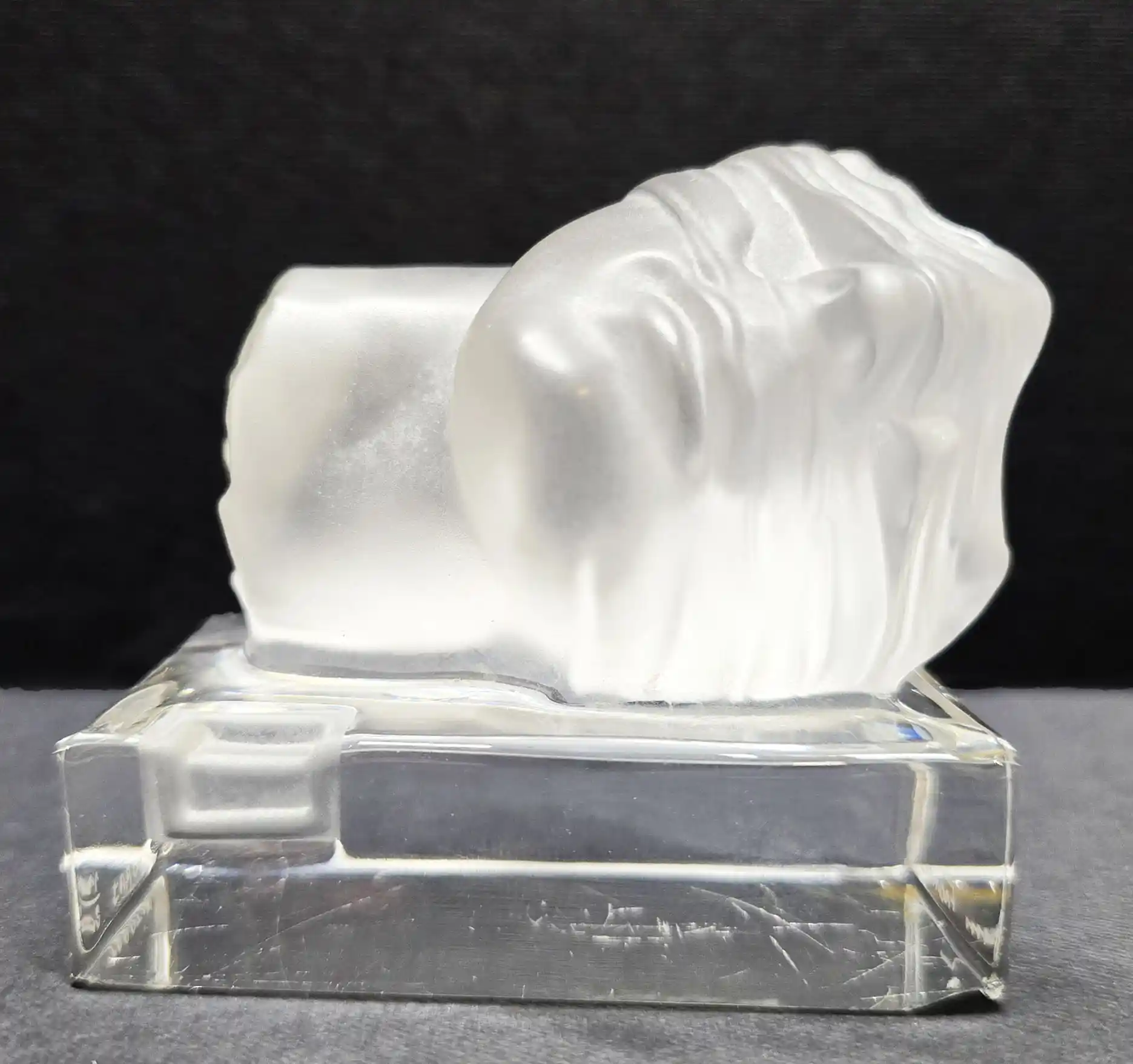
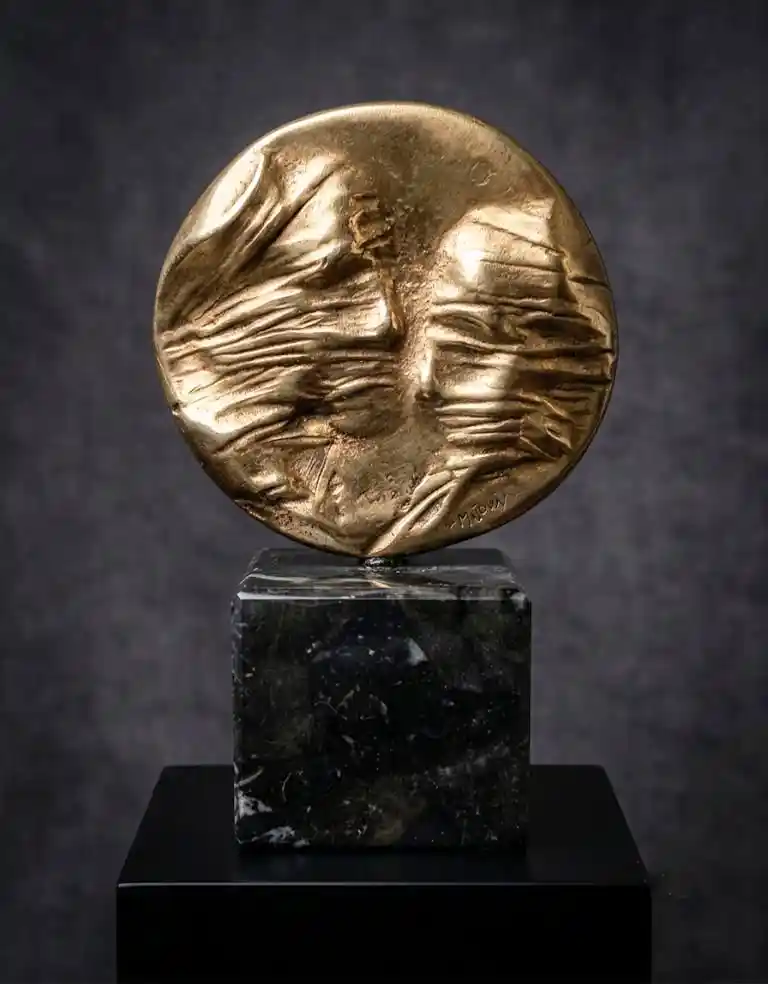
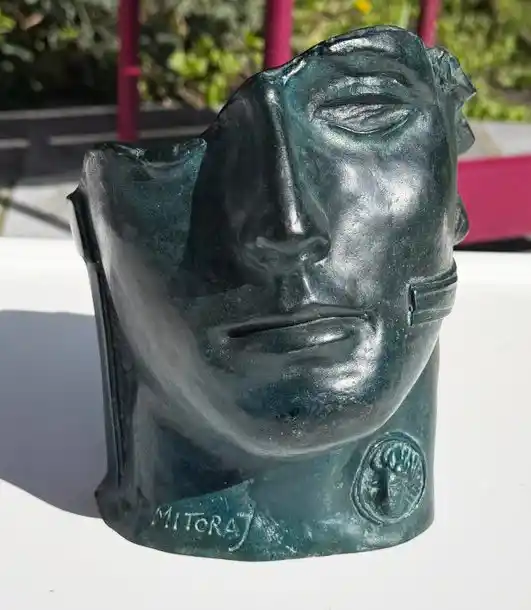
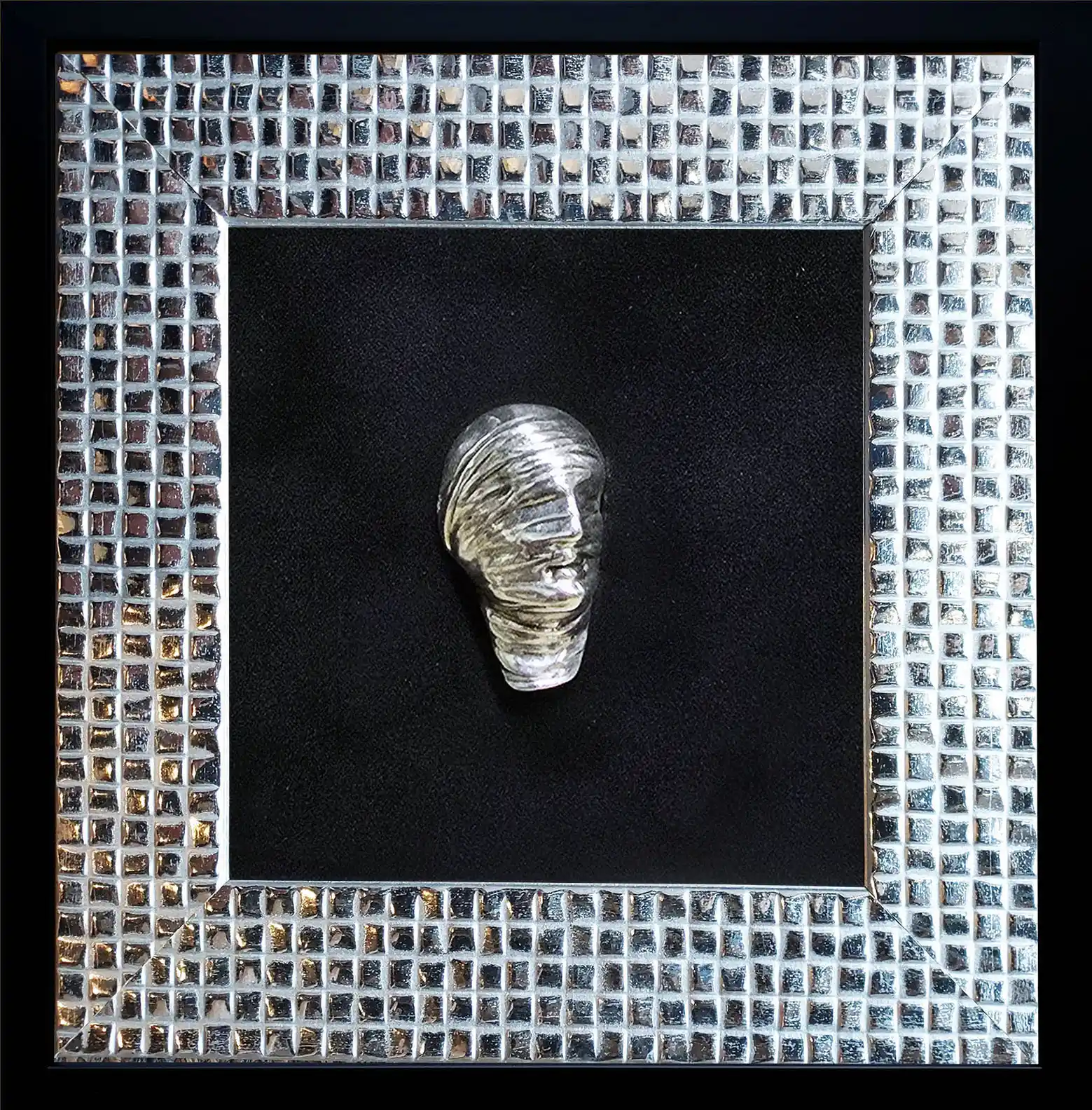
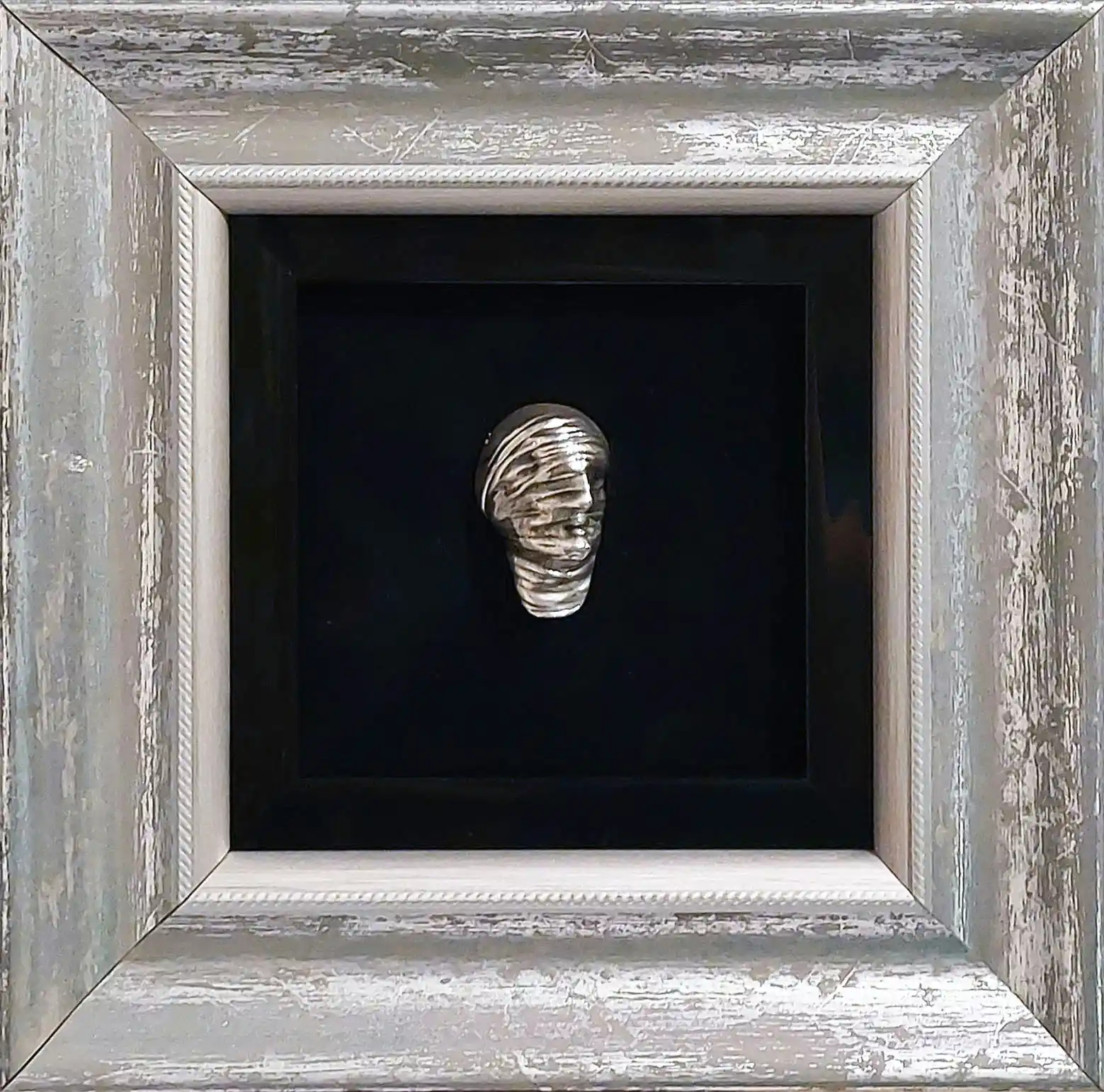
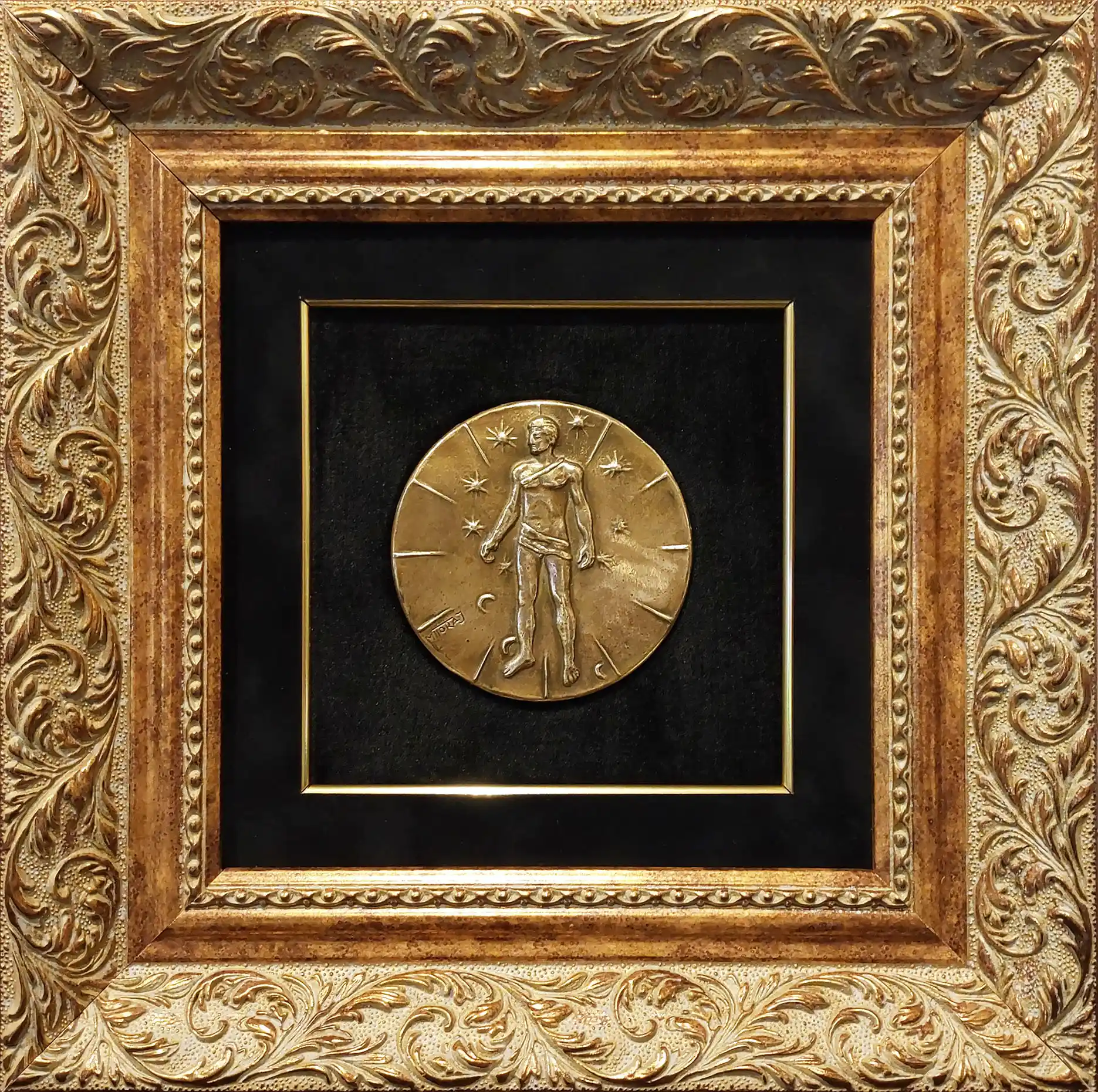
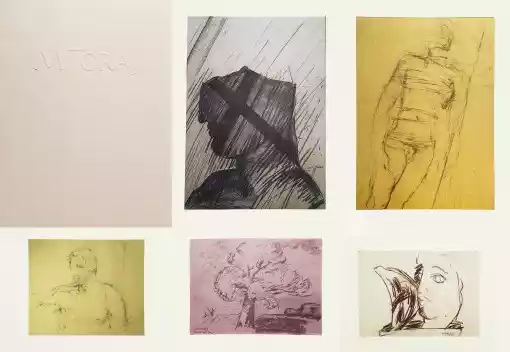
gor Mitoraj (1944 - 2014) Igor Mitoraj (born 26 March 1944 in Oederan, died 6 October 2014 in Paris.) Born in 1944 in Oederan in the Ore Mountains, the son of a deported Polish forced-labour worker and a French prisoner of war, an officer of the French Foreign Legion. After the war, his mother returned to Poland with her son—back to her parents. Mitoraj spent his childhood and youth in the town of Grojec. After graduating from the Secondary School of Fine Arts in Bielsko-Biała, in 1963 he entered the Academy of Fine Arts in Kraków, where he studied painting under Tadeusz Kantor. In 1968, after completing his studies, he moved to Paris to study at the École nationale supérieure des beaux-arts. He died on 6 October 2014 in Paris. Beginnings of an artistic career Mitoraj left Poland immediately after studying at the Academy of Fine Arts in Kraków, where he studied painting with Tadeusz Kantor, and went to Paris. He began there as a painter and graphic artist; he had an exhibition[2] at the La Hune gallery in the Latin Quarter, connected to a bookshop of the same name (1976). A year later, he took up sculpture. Soon after, he was asked to prepare an exhibition for the ArtCurial gallery in Paris, run by the nephew of the then President of France, Mitterrand. To prepare the works for this exhibition, Mitoraj spent a year in the centre of art foundries producing bronze sculptures and in marble workshops, in Pietrasanta, Italy. There, Mitoraj made his first bronzes and his first monumental sculptures in white marble from nearby Carrara. Discovery of sculpture Igor Mitoraj’s sculpture in The Hague (Scheveningen) From the moment of the ArtCurial exhibition in 1977, Igor Mitoraj’s sculptures and drawings were shown at 120 solo exhibitions around the world. His sculptures, often on a gigantic scale, stand in prominent locations in many cities—among them in Paris at La Défense and in Rome, Milan, Lausanne, London, Kraków, Scheveningen near The Hague, as well as in the USA and Japan. Activities Igor Mitoraj divided his time between Paris and Pietrasanta, where, from 1983, he had his own studio[3]. Many of his sculptures were then created from a clay or plaster original in the workshops and stonecutters’ studios of Pietrasanta, which have been working for hundreds of years using the same methods. Mitoraj drew inspiration from the work of Michelangelo and Antonio Canova. An autodidact in the field of sculpture, Mitoraj referred to the craftsmanship of the past, while continually seeking a new aesthetic that would convey the time in which he lives This article from 2012-09 requires verification of the information provided. Credible sources are required, ideally in the form of bibliographic references. Some or even all of the information in the article may be incorrect. Without sources, it may be challenged and removed. More detailed information about what needs to be corrected may be found in the discussion of this article. After eliminating imperfections, the {{Dopracować}} template should be removed from this article. . On 5 October 2005, during a ceremony at the Kraków city hall, he was honoured by the Minister of Culture Waldemar Dąbrowski with the Golden Medal “Zasłużony Kulturze Gloria Artis”[4]. By Presidential Decree of 24 April 2012—“for outstanding contributions to Polish and world culture, for achievements in creative and artistic work”—he was awarded by President Bronisław Komorowski the Commander's Cross of the Order of Polonia Restituta[5]. The award ceremony took place on 3 May 2012[6]. Mitoraj’s art Igor Mitoraj’s sculpture in Madrid Gallery Mitoraj’s sculpture in Valencia Angelic doors in the Church of Our Lady of the Miraculous Medal (Our Lady of Grace) in Warsaw Mitoraj I. Igor Mitoraj’s sculpture in the Basilica of Our Lady of the Angels and the Martyrs in Rome Icarus, Tempio della Concordia, Agrigento The main theme of Mitoraj’s sculptures is the human body—its beauty and fragility—as well as deeper aspects of human nature that, under the influence of time and circumstances, become distorted. Referencing, even literally (sometimes already in the title of the sculpture: Icarus, Tyndareus, Centaur, Eros, Mars, Gorgon, Paesaggio Ithaca), mythology or the history of Greece and Rome, he in a sense “quotes” the beauty and ideal proportions of classical sculpture, while at the same time making the viewer aware of their human nature and imperfection through deliberate cracks and damage to the surfaces of the statues, and even by knocking them over onto the ground. Mythic heroes, wounded and imperfect, look at the viewer with empty eye sockets, often covered with shrouds, like injured or maimed beings; they are often mute as well—whose mouths are covered with fabric. Mitoraj’s style—interpreting antiquity while introducing clear accents of modernity—is today recognized by art lovers around the world. A characteristic element of Mitoraj’s works is the mouth, which always takes the shape of the sculptor’s own mouth and serves as an informal “signature” of the sculptor on the work Selected exhibitions 1976: first solo exhibition of painting and graphics at Galerie Le Hune in Paris 1977: solo exhibition of sculptures and bronze jewellery at ArtCurial in Paris on Av. Matignon 1986: invitation to the 42nd Biennale in Venice 1989: exhibition at the New York Academy of Art 1999: exhibition at the Museo Archeologico and in the Boboli Gardens in Florence 2001: exhibition at the Olympic Museum in Lausanne 2003: exhibition in town squares across Poland—Sculptures and Drawings by Igor Mitoraj: Poznań (7 September – 5 October 2003) 2004: 56 of Mitoraj’s classical sculptures, made of bronze, cast iron, white and black marble, and terracotta; 36 of the artist’s drawings from 1976–2001; and 14 bronze sculptures displayed on the Main Market Square, Kraków (17 October 2003 – 25 January 2004); Warsaw (11 February – 25 April 2004) Sculptures in outdoor locations Santa Cruz de Tenerife – “Per Adriane” Paris’s La Défense district (entrance to the University) – Ikaria, the Great Tuscan, Tyndareos Olympic Park in Lausanne – Corazza Piazza Monte Grappa in Rome – Goddess of Rome Abuta in Hokkaido – Tsuki-no-hikari (Moonlight); replicas of the work also stand in London (in front of the British Museum), in Scheveningen (on the dunes, near the Beelden aan Zeee museum) and in Poznań. Milan – Fountains of the Centaur Santa Maria degli Angeli e dei Martiri Basilica in Rome – gates to the sanctuary
This store uses cookies for analytical and functional purposes. Please accept our privacy policy to enjoy all features of the website.